
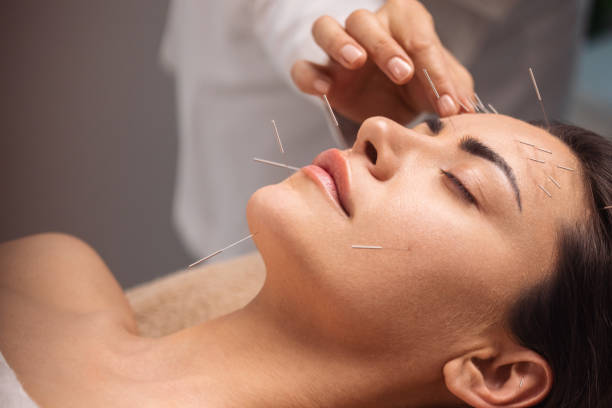
Among the last things many people might expect to be helpful when overpowered with anxiety is the careful insertion of needles into the skin. But acupuncture for anxiety is picking up steam, not just in ancient texts or holistic health circles, but in clinical studies and mainstream holistic practices like Neuroplasticity St. Pete, in St Petersburg, Florida.
It’s a proven traditional Chinese practice that taps into certain areas of the body to help restore equilibrium and can help your body to heal itself, like nature intended. At Neuroplasticity St. Pete, acupuncture is more than just treating symptoms – it is part of a comprehensive, integrative perspective on nervous system health.
What Is Acupuncture For Anxiety?
According to Traditional Chinese Medicine, we’re all humans are a network of complicated burrows, or “meridians,” energy passageways where life force, or “qi,” travels. When we are suffering emotionally, our nerves become blocked and their pathways disturbed. Because that imbalance can manifest physically, emotionally, and even neurologically.
When practicing acupuncture for anxiety treatment, acupuncture practitioners stimulate certain acupoints (the acupuncture site in the body based on traditional Chinese medicine theories) such as the inside of the wrist, between the eyebrows. These points are associated with the body that dictate physical pain and emotions, respectively. At Neuroplasticity St. Pete, we use this targeted stimulation to reset the nervous system and restore mental clarity with trained professionals, such as Dr. Silver and his team.
What Does Does Acupuncture Help With Anxiety?
Yes, it does. According to research and licensed practitioners, acupuncture is proven to modulate the autonomic nervous system, the body’s internal command center for how it handles stress.
Ashley Flores, a licensed acupuncturist, said in Health. com interview that acupuncture relaxes the sympathetic nervous system, which tends to be overactive in individuals with anxiety. It encourages a shift into the parasympathetic state, commonly referred to as the ‘rest and digest’ mode.
In Florida, especially in communities like Clearwater and Gulfport, I see a lot of clients for anxiety-related issues seeking the natural approach through acupuncture as it is non-invasive and does not involve medications, and not just reduce the levels of anxiety but also improve digestion, sleep, and emotional balance.
What To Expect During An Acupuncture Session
A treatment at Neuroplasticity St. Pete starts with a serious consultation. Patients are encouraged to share everything from details about their mental well-being to their physical symptoms, sleep habits, and even seemingly unrelated issues like night sweats or digestive troubles. In TCM, all these details are connected.
Once your profile is assessed, the practitioner will place sterile, single-use needles in various acupoints. These are not randomly selected. They’re chosen with care, depending on your symptoms and diagnosis.
If they get it right on the first try, you will feel nothing but a little pinch. Most patients will experience a sense of relaxation, and in some cases a mild euphoria during, and light, calm, groundedness afterward, similar to deep meditation or a nurturing massage.
Common Acupoints Used For Anxiety
At Neuroplasticity St. Pete, the team focuses on precise point work to ensure maximum effectiveness. Common acupoints for anxiety include:
- Yintang (between the eyebrows): Calms the mind and promotes emotional grounding
- Heart 7 (inner wrist): Soothes nervous tension
- Shen Men (ear): Reduces fear, stress, and hypersensitivity
- Liver 3 (top of the foot): Regulates qi and reduces irritability
These points, when activated correctly, are believed to clear blockages and encourage the body to return to a balanced state.
Evidence Supporting Acupuncture For Anxiety
In a review of 20 studies of individuals with generalized anxiety disorder, for example, acupuncture was more effective than drugs and sham acupuncture in treating the condition.
Some of the problems that are treatable with acupuncture are:
- Generalized Anxiety Disorder (GAD)
- Panic Disorder
- Social Anxiety Disorder
- Phobias
- Separation Anxiety
- Preoperative Anxiety
In one Florida-based clinical study, patients who received acupuncture before gallbladder or hernia surgery reported lower anxiety levels than those given standard pharmacological options. It’s a promising sign for those searching for alternatives that don’t come with an extensive list of side effects.
Potential Risks and Safety
When administered by a licensed, well-trained practitioner, acupuncture is considered very safe. At Neuroplasticity St. Pete, patient safety is paramount. All needles used are single-use, sterile, and FDA-approved.
Potential side effects, while rare, may include:
- Minor bleeding at the needle site
- Slight bruising (hematoma)
- Temporary dizziness or fainting
- Mild soreness
More serious complications, such as organ puncture or central nervous system injury, are virtually unheard of in licensed clinics that follow proper protocols.

Integrating Acupuncture With Holistic Care
What sets Neuroplasticity St. Pete apart is its integrated, whole-person approach. Acupuncture for anxiety is not a single treatment but a part of an entire wellness plan that could also include:
- Functional Neurology: Resetting the brain’s communication systems
- Nutritional Counseling: Identifying inflammatory foods and optimizing diet
- Gentle Chiropractic Adjustments: Removing the tensions of the spine that may be contributing to nervous system imbalance
- Low-Level Light Therapy: Addressing cellular inflammation
- PEMF and BrainTap Sessions: Calming the brain and enhancing clarity
Each patient gets a 30-minute visit tailor-made for the patient’s precise health profile — no assembly-line visits, no one-size-fits-all care.
What Can You Try At Home?
While you shouldn’t be sticking acupuncture needles in yourself, there are lifestyle changes you can make to support your treatment plan:
- Mindful Breathing: Practice diaphragmatic breathing for 5-10 minutes daily.
- Sleep Hygiene: Establish a wind-down routine to reduce nighttime anxiety.
- Herbal Teas: Chamomile, lavender, and passionflower may promote relaxation.
- Movement Therapy: Tai Chi and Qi Gong can complement acupuncture treatments.
It cannot be bettered under supervision. Always speak with a qualified healthcare professional before beginning any new herbal products, especially if you are pregnant, nursing, or on any medications.
Final Thoughts: Is Acupuncture For Anxiety Worth Exploring?
If persistent anxiety symptoms affect your daily life, acupuncture may be an ally in helping you to shift gears. At Neuroplasticity St. Pete, acupuncture for the effects of anxiety offers a level of emotional well-being you haven’t experienced before.
It marries age-new practice with cutting-edge science and provides a path to healing that’s personalized, non-pharmacological, and kind. It is a trusted option for many in the St. Petersburg, Gulfport Clearwater areas of Florida and beyond.
The first step? Schedule a consultation. With a thoughtful intake, experienced hands, and a calming environment, relief might be closer than you think.
Call Neuroplasticity St. Pete at (727) 202-6006 to see if anxiety acupuncture can help your mental health.
FAQs
How fast does acupuncture work for anxiety?
It generally would take about two to three sessions before patients start to say they are feeling calmer. Some patients say they feel calmer even after the first treatment, while other patients notice changes anywhere from four to six treatments.
How often should I receive acupuncture for anxiety?
This depends on individual needs. Most start with weekly sessions, then gradually taper as symptoms improve.
Is acupuncture covered by insurance?
Some plans do offer coverage. Neuroplasticity St. Pete can provide documentation to help you file for reimbursement.